
Investing in 2026 feels harder than it should.
Inflation refuses to behave the way textbooks promised. Interest rates move, but prices don’t cool the way people expect. Digital assets refuse to disappear, despite repeated predictions of their collapse.
Gold vs Silver vs Bitcoin
As a result, investors today are stuck between three very different choices:
- Gold, the centuries-old symbol of safety
- Silver, an industrial metal with sharp cycles
- Bitcoin, a digital asset challenging the idea of money itself
The confusion doesn’t come from lack of information. It comes from expecting all assets to do the same job.
This article does not predict prices. It does not recommend allocations.
It exists to help you think clearly, because clarity matters more than conviction.
Why Investors Are So Confused in 2026
Most people approach investing emotionally.
- Safety and high returns
- Stability and excitement
- Certainty in an uncertain world
No asset can deliver all three.
Gold, silver, and Bitcoin exist for different reasons, solve different problems, and fail when used incorrectly.
Before comparing them, one thing must be clear:
Assets are tools, not beliefs.
Understanding the Three Assets Before Choosing
Why Gold Exists
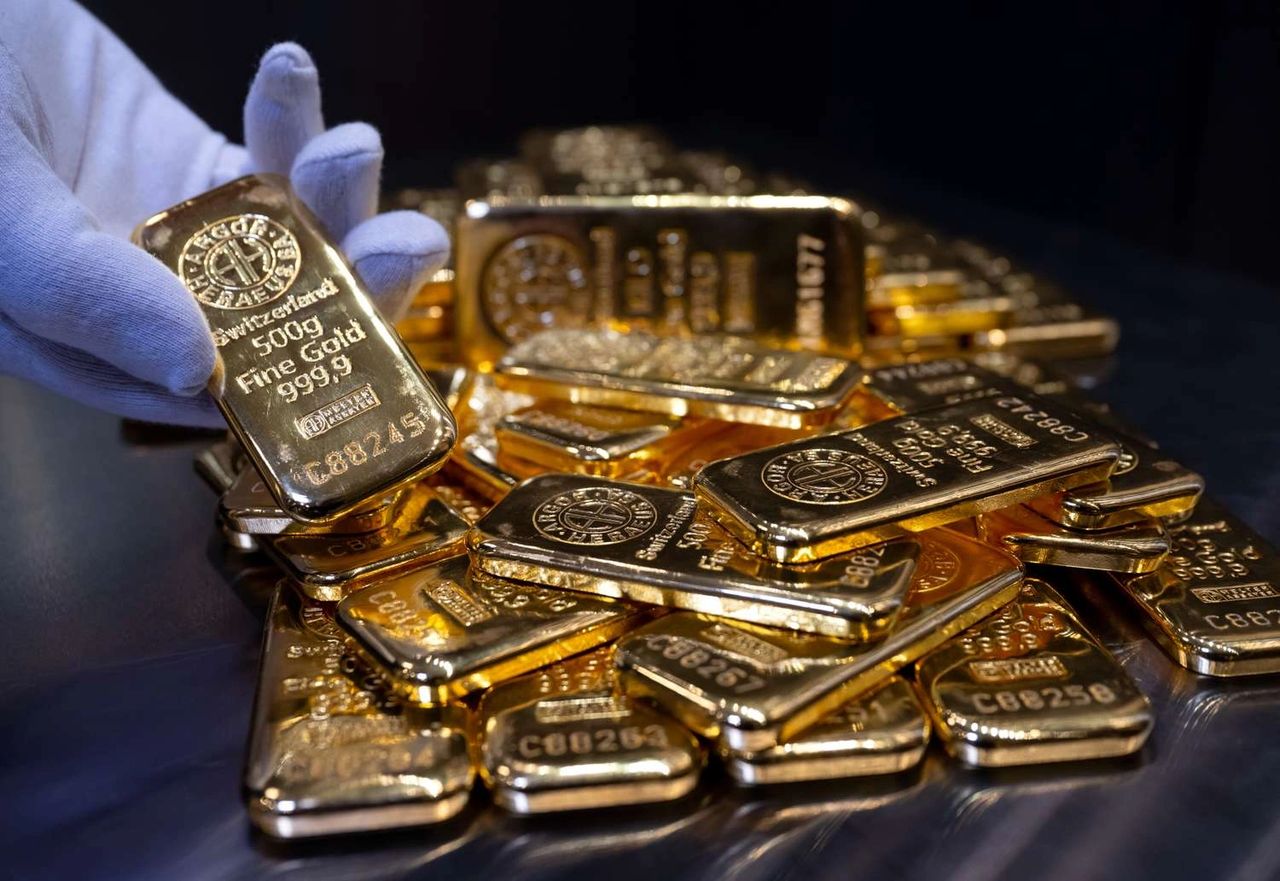
Gold exists because trust fails.
When currencies weaken, governments change, or systems reset, gold survives because it is scarce, physical, and universally recognized.
Gold was never designed to create wealth quickly. Its role is preservation.
Why Silver Exists
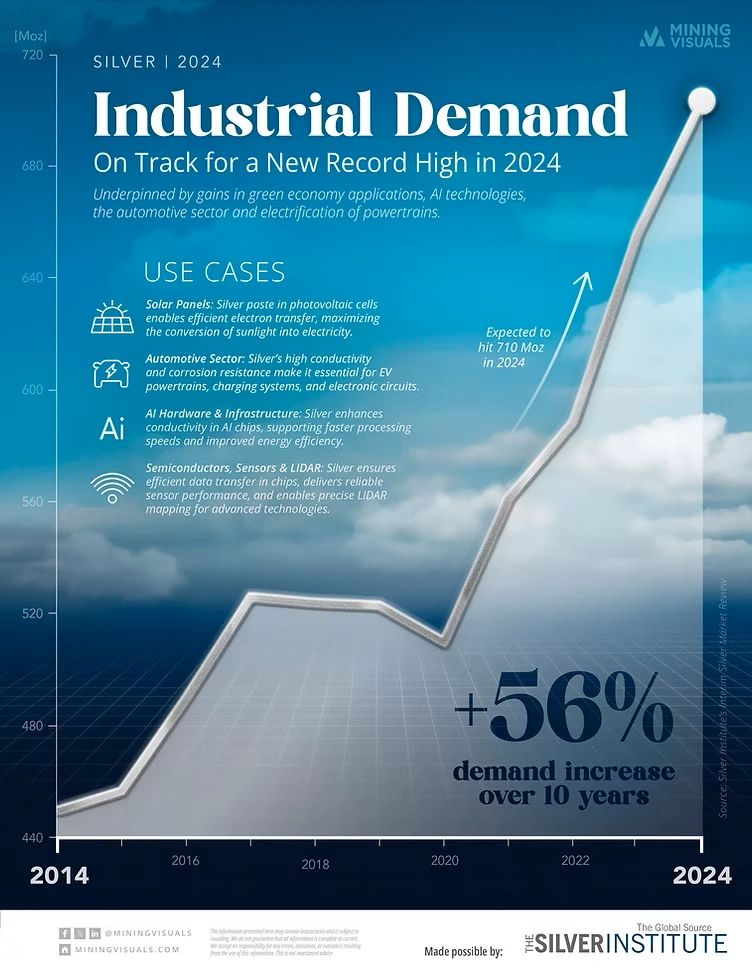
Silver exists because industry needs it.
It is both a monetary metal and an industrial input used in electronics, solar panels, medical equipment, and advanced manufacturing.
This dual nature makes silver volatile and cyclical.
Why Bitcoin Exists
Bitcoin exists because digital trust is broken.
It was created in response to centralized monetary control and currency debasement.
Bitcoin is not a company, not a stock, and not stable money.
It is a scarce digital asset governed by fixed rules.
Once you understand why these assets exist, comparison becomes rational instead of emotional.
The 3-Layer Wealth Framework
Serious investors don’t ask, “Which asset will give the highest return?”
They ask, “What role does this asset play?”
Layer 1 – Protection: Gold
Gold defends purchasing power during uncertainty.
It reduces damage. It does not accelerate growth.
Layer 2 – Leverage: Silver
Silver amplifies cycles.
It underperforms for long periods, then outperforms sharply when conditions align.
Layer 3 – Optionality: Bitcoin
Bitcoin offers asymmetric outcomes.
Its downside is violent. Its upside is uncertain but large.
Problems begin when assets are forced to play the wrong role.
Gold: Stability, Safety, and Its Silent Limitations
Gold deserves respect — not blind faith.
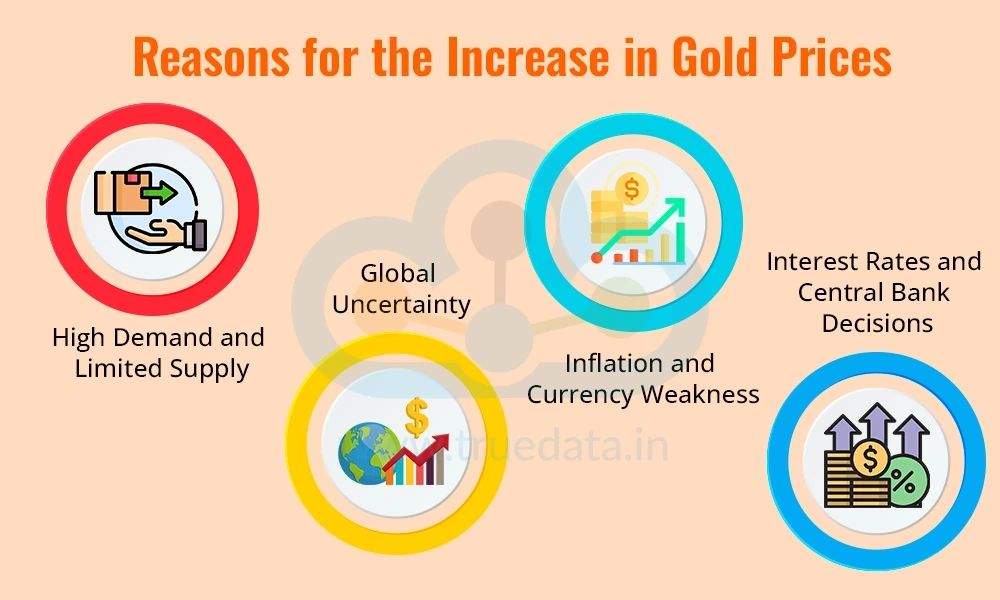
Gold performs well during:
- Inflation surprises
- Currency weakness
- Systemic stress
It performs poorly during:
- Strong growth cycles
- Risk-on environments
- Periods of innovation
The silent limitation of gold is opportunity cost.
It protects wealth, but it rarely multiplies it efficiently.
In India especially, gold is often over-owned emotionally and under-used strategically.
Jewellery carries emotional value, not financial efficiency.
Gold works best when it is boring and untouched.
Silver: The Overlooked Asset Most Investors Misunderstand
Silver is not “cheap gold”.
It is a hybrid asset — part money, part industrial commodity.
This makes it uncomfortable to hold.
Silver:
- Lags gold for long periods
- Moves violently in late-cycle expansions
- Punishes impatience
Institutions rarely promote silver because its market is small and volatile.
That volatility is precisely what creates opportunity for disciplined investors.
Silver is leverage — and leverage must be controlled.
Bitcoin: Opportunity, Volatility, and Hard Realities
Bitcoin is neither salvation nor scam.
It is a probability-driven asset offering asymmetric outcomes at the cost of extreme volatility.
Bitcoin attracts capital because of:
- Fixed supply
- Portability
- Independence from central authorities
Bitcoin destroys capital when:
- Investors over-allocate
- Buy after hype cycles
- Panic during drawdowns
Bitcoin does not reward belief.
It rewards discipline and position sizing.
Bitcoin belongs in optionality — never dependency.
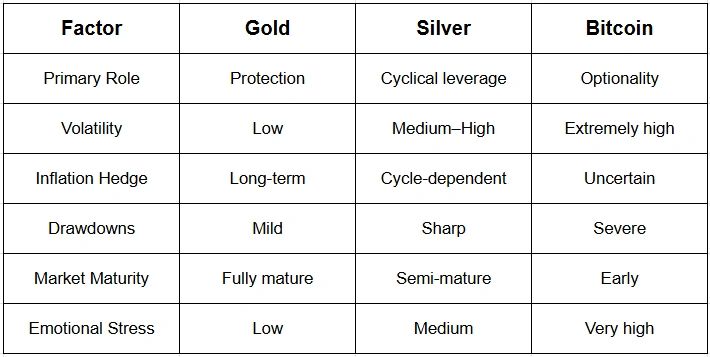
Gold vs Silver vs Bitcoin: Direct Comparison
Who Should Invest in What
In Your 20s
Time is an advantage, not immunity.
Optional exposure to Bitcoin and silver can make sense — excess does not.
In Your 30s
Balance becomes critical.
Gold stabilizes. Silver enhances cycles. Bitcoin stays controlled.
40 and Above
Preservation matters more than ambition.
Gold dominates. Optionality stays minimal.
Income stability matters more than age.
Risk tolerance is revealed in crashes, not questionnaires.
Common Myths That Cost Investors Money
- “Gold never falls” — it underperforms silently
- “Bitcoin always recovers” — probability is not certainty
- “Silver is useless” — cycles disagree
- “One asset is enough” — markets rotate
Markets don’t punish ignorance immediately.
They let it compound.
2026–2030 Outlook: Probabilities, Not Predictions
- Inflation remains uncomfortable
- Regulation increases, not eliminates
- Capital continues rotating
- Volatility remains normal
This environment rewards preparation, not confidence.
The Smart Allocation Truth
Allocation beats obsession. Timing beats conviction.
Diversification beats certainty.
If one asset can ruin you, the strategy is already broken.
Who This Article Is Not For
This is not for:
- Quick-money seekers
- Tip followers
- Certainty addicts
Serious investing requires boundaries.
Final Verdict
Gold won’t save reckless investors.
Silver won’t reward impatience.
Bitcoin won’t forgive overconfidence.
The real question is not:
“Which asset will perform best?”
“Can you remain rational when markets challenge your beliefs?”
If yes, many assets can work. If no, none will.