
Canada Study Visa 2026 Applying for a Canada study visa in 2026 feels very different from a few years ago.
Colleges still issue offer letters quickly. Consultants still advertise “high success rates.”
But study permit rejections for Indian students have increased quietly. This has left students and parents confused.
- Is Canada still worth it?
- Why are genuine students getting refused?
- How much money is actually required now?
- What mistakes are causing rejection?
This guide exists for one reason: clarity.
No promises.
No shortcuts.
No agent talk.
Only how the Canada study permit system actually works in 2026 — and how Indian students can approach it safely.
Canada Study Visa 2026
Why Studying in Canada Feels Riskier in 2026
Canada has not closed its doors to Indian students.
What has changed is how applications are evaluated.
Visa officers today focus heavily on:
- Course relevance
- Financial credibility
- Genuine student intent
Applications that look rushed, poorly aligned, or financially stretched are filtered out early.
This does not mean Canada is rejecting “average students.”
It means Canada is rejecting unclear plans. In 2026, speed hurts more than patience.
Who This Guide Is For (And Who Should Not Apply Now)
Canada Study Visa 2026 article is meant for:
- Indian students planning diploma, undergraduate, or postgraduate studies
- Families budgeting realistically for overseas education
- Applicants who want to avoid Canada study visa rejection
- Students willing to align education with career logic
This guide is not for:
- People looking for guaranteed visas
- Applicants planning to show fake or temporary funds
- Students applying only because “everyone is going”
- Anyone depending entirely on part-time work to survive
Canada does not reject randomly. It rejects misaligned applications.
Understanding this early saves time, money, and stress.
What a Canada Study Visa Really Is (And What It Is Not)
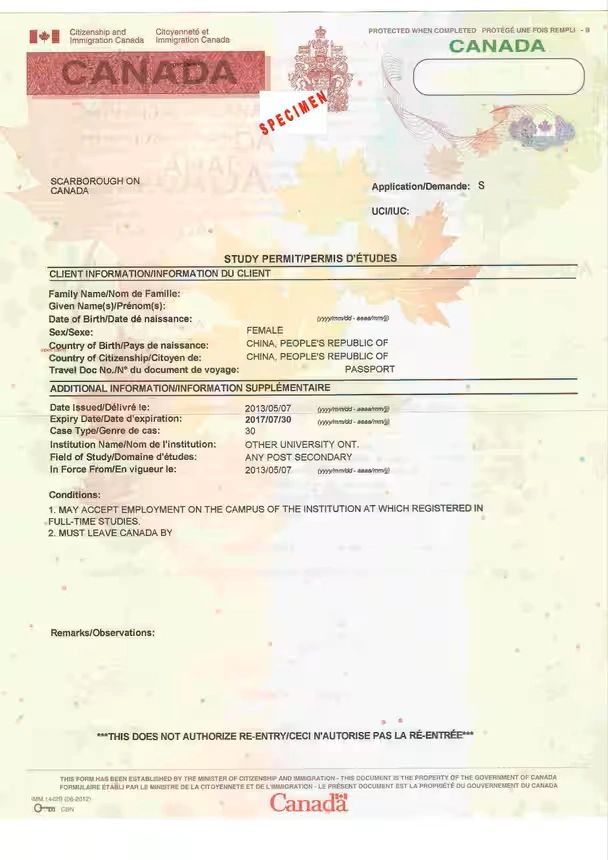
A Canada study visa is officially called a Study Permit.
It allows an international student to:
- Study at a Designated Learning Institution (DLI)
- Work limited hours during studies (as permitted)
- Apply for post-study work if eligible
It does not guarantee:
- Employment
- Permanent residency
- Long-term stay
A study permit is temporary by design.
Every application is assessed individually by a visa officer.
How Visa Officers Actually Think
Every Canada study permit application is evaluated through three silent questions:
Is the student genuine?
– Academic history
– Study gaps
– Course choice
Are the finances real and sufficient?
– Tuition + living costs
– Source of funds
– Financial stability
Does the application show temporary intent?
– Logical future plans
– No immigration shortcuts
If even one answer feels weak, the application fails — quietly.
Eligibility Requirements for Indian Students (2026 Reality)
Eligibility is not a checklist. It’s a profile assessment.
Academic background matters — but alignment matters more
There is no fixed “cut-off percentage.”
What works:
- Consistent academics
- Logical progression
- Clear reason for the chosen course
What raises concern:
- Random course switches
- Repeating the same level of study
- Choosing “easy” programs with no career value
Marks alone don’t decide visas.
Direction does.
Study gaps are acceptable — if explained with proof
Work experience, business activity, or skill-building is fine.
Unexplained inactivity is not.
In 2026, visa officers expect documents, not stories.
English language requirements
IELTS Academic remains the safest option for Indian students.
A higher score helps — but it does not compensate for weak academics or poor finances.
Choosing the right college matters more than people think
A DLI college is required, but DLI alone is not enough.
Visa officers assess:
- Course value
- Institutional credibility
- Relevance to the student’s background
Cheap colleges chosen only for easy admission often increase risk.
The Real Cost of Studying in Canada (2026)

Money is the most common silent reason for refusal.
Not because students lack funds but because they misunderstand what Canada expects.
Tuition fees (realistic ranges)
- Diploma / Advanced Diploma: CAD 14,000–20,000
- Bachelor’s degree: CAD 18,000–30,000
- Postgraduate / Master’s: CAD 18,000–35,000
If a course looks unusually cheap, visa officers question its value.
Living expenses Canada actually assumes
Canada uses standardized estimates, not personal lifestyle claims.
- Smaller cities: CAD 12,000–14,000 per year
- Major cities: CAD 15,000–18,000 per year
Underestimating this is a red flag.
GIC explained simply
The GIC (Guaranteed Investment Certificate) supports basic living costs.
It does not cover:
- Tuition
- Emergencies
- Family responsibilities
GIC + tuition alone is not complete financial proof.
Real first-year cost (honest range)
Most Indian families should expect:
CAD 42,000–55,000+
(₹26–35 lakh approx.)
Anyone quoting far lower numbers in 2026 is not being honest.
Proof of Funds: Where Most Applications Fail
Visa officers don’t just check how much money you show.
They check:
- Where it came from
- How long it has existed
- Whether it looks sustainable
Clean, simple finances beat complicated large balances.
Bank statements with sudden deposits, rotated funds, or unclear sponsors raise doubts.
SOP Reality: Why Good Profiles Still Get Rejected
An SOP is not a motivational essay. It is a justification document.
It must clearly explain:
- Why this course
- Why this institution
- Why now
- What happens after graduation
Mentioning PR plans or emotional dreams weakens the case.
Logic builds trust. Emotion doesn’t.
Consultant Myths That Quietly Hurt Visas
- “Any DLI college is fine” → false
- “Agent strength matters” → false
- “Funds don’t matter if SOP is good” → false
- “Rejections are random” → false
Canada rejects patterns, not people.
Work, Stay-Back & PR: The Reality
Part-time work helps with daily expenses — not tuition.
Post-study work permits depend on:
- Course length
- Institution eligibility
Permanent residency is not guaranteed and should never be mentioned in a study visa application.
Should You Apply in 2026 or Wait?
Apply if:
- Your course aligns with your background
- Your finances are clean and sufficient
- Your plan is calm, not rushed
Wait if:
- Funds are arranged last-minute
- Course choice feels random
- You feel pressured by agents or timelines
Waiting is safer than rejection.
Final Verdict
Canada Study Visa 2026 still rewards prepared Indian students.
What it no longer tolerates is:
- Poor planning
- Weak logic
- Financial stress
Approach Canada as an education decision, not a shortcut.